
Communication between doctor and patient often determines how well a treatment is understood – and ultimately followed. Yet it is precisely here that misunderstandings repeatedly arise in everyday practice. Not because of carelessness, but because medical jargon is simply difficult for many people to grasp. The result is sometimes confusing – sometimes even problematic.
A few typical examples from clinical practice:
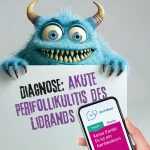
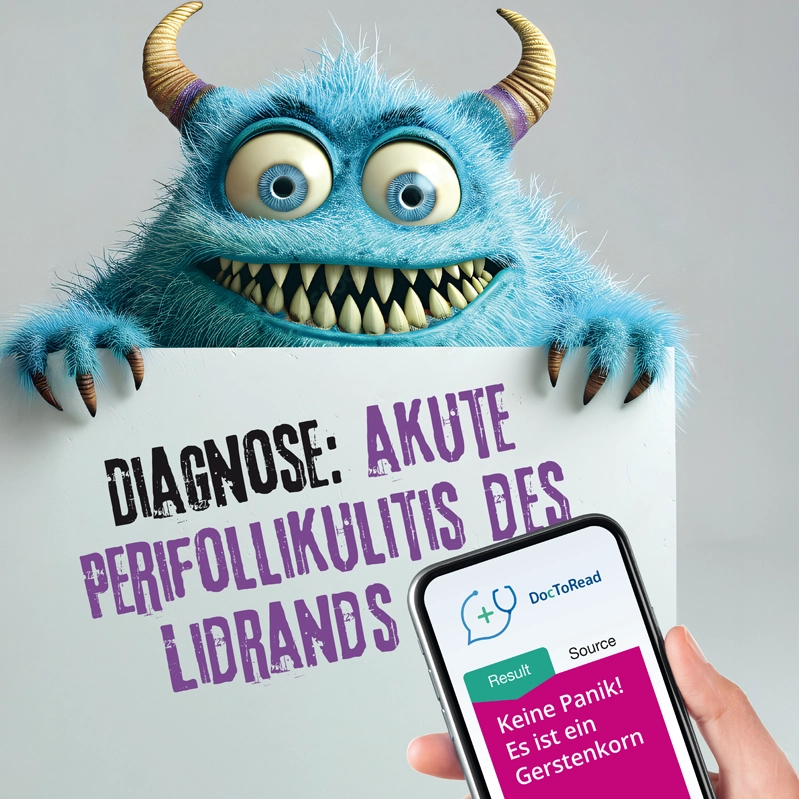
At first glance, such situations seem trivial, but they highlight a fundamental problem: medical information is often not understood as intended. The issue becomes far more serious when doctors or clinics use Latin or English technical terms in lengthy texts.
According to the World Health Organisation, communication problems are among the most common causes of misunderstandings in the treatment process – with direct implications for treatment success and patient safety.
The comprehensibility of a medical diagnosis is not a ‘nice-to-have’, but a prerequisite for the success of many treatments. Patients want to and should understand their medical situation. They need to know what is happening to them and why treatment is necessary. This is precisely where the key lies to greater trust, better decisions and, ultimately, better medical outcomes.
The solution: Medicine in plain language: DocToRead helps to avoid precisely such misunderstandings.